Not All Anti-Inflammatory Pathways Are Created Equal
Why combining Platelet-Rich Plasma (PRP) with hyaluronic acid may be synergistic, while corticosteroids can be actively counteractive.
In the clinical practice of regenerative medicine, the sequencing and combination of therapies often dictate the success of the biological response. Specifically, the choice of anti-inflammatory modality used alongside PRP can either preserve stimulatory pathways or neutralize them entirely.
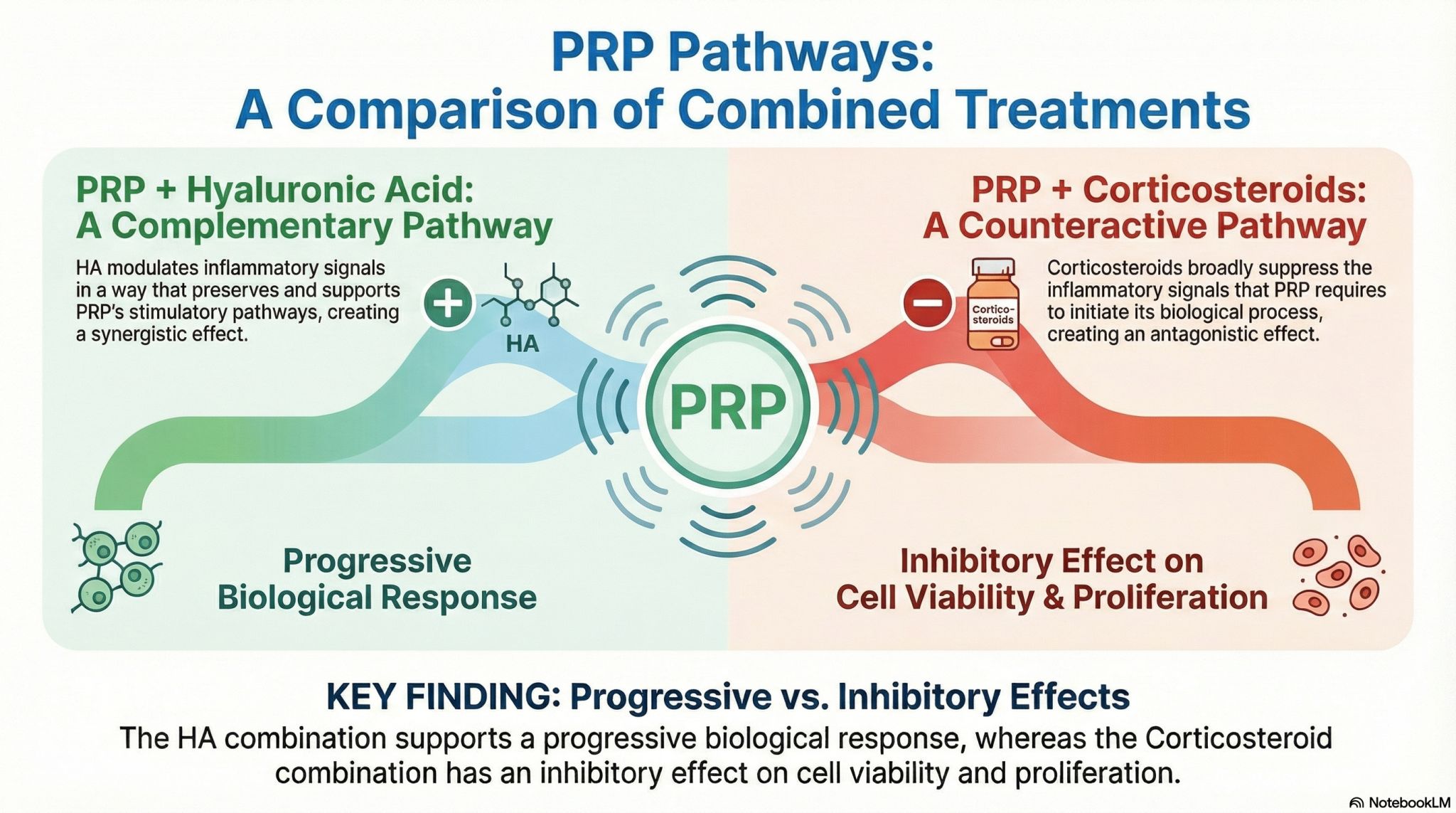
Figure 1: Comparison of biological responses when PRP is combined with Hyaluronic Acid versus Corticosteroids.
The Complementary Pathway: PRP + Hyaluronic Acid
Hyaluronic acid (HA) treatments have been clinically observed to modulate inflammatory cytokines, such as IL-1β and TNF-a, through CD44 receptor binding. This specific mechanism is critical because it minimally interferes with PRP’s growth factor signaling pathways.
The synergy between HA and PRP may be attributed to:
- Scaffolding Effects: The physical HA solution or hydrogel acts as a viscous scaffold, modulating the bioavailability of growth factors.
- Selective Inflammation: HA provides a "selective" anti-inflammatory effect that prevents excessive response without halting the regenerative cascade.
The Counteractive Pathway: PRP + Corticosteroids
In contrast, corticosteroids (CS) suppress inflammation by inhibiting the exact recruitment and proliferation-driving phosphorylation signals that PRP aims to stimulate in mesenchymal cells. This creates an antagonistic effect where the drug actively works against the core therapeutic cascades of the biological therapy.
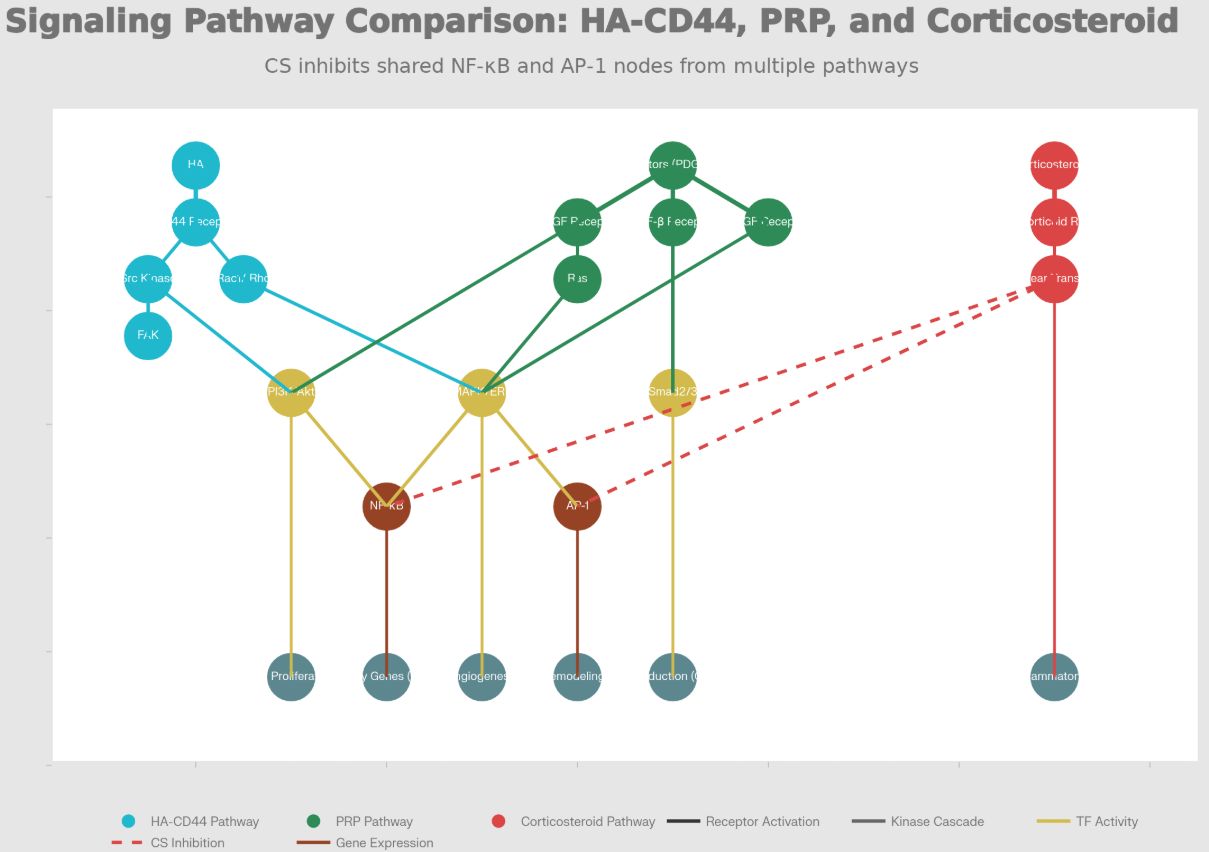
Figure 2: Molecular signaling map showing how Corticosteroids inhibit shared NF-kB and AP-1 nodes required by PRP pathways.
Research on human chondrocytes shows that cell viability and proliferation drop significantly when exposed to corticosteroids. While adding PRP can offer a "partial rescue," the PRP signaling is essentially diverted just to offset steroid-induced damage rather than promoting new growth.
Clinical Practice Implications
Biological therapies have different and less predictable outcome-onsets compared to traditional pharmaceuticals. When patients receive inhibitory anti-inflammatory modalities (like CS) in close proximity to PRP treatment, it potentially reduces the response rate that might have otherwise occurred with complementary modalities like HA.
Practitioners must carefully sequence these treatments, considering the "neutralizing" nature of steroids on the signaling nodes—specifically the shared NF-kB and AP-1 nodes—that are vital for cellular remodeling and proliferation.
Looking for Evidence Synthesis?
I help clinical practices translate these complex biological interactions into compliant business processes and patient education frameworks.
Contact for Advisory Services →